Top Roofing Experts in Ventura
Want a dependable Ventura roofing contractor? Choose a licensed and insured contractor who knows coastal conditions like salt air and wind, uses premium fasteners, SBS shingles, and rust-resistant flashings, and verifies proper attic ventilation. Expect a thorough photographic inspection, detailed moisture assessment for each slope, and clear solutions: patch versus partial replacement. Insist on Title 24/code compliance, HOA clearance, comprehensive estimates, and formal warranties for labor and materials. Avoid aggressive selling and vague bids. We'll also show you how appropriate timelines, consistent communication, and preventive maintenance keep your roof working optimally.
Key Points to Remember
- Local Ventura specialists implementing high-grade marine fasteners, rust-proof flashings, and SBS shingles tailored for coastal conditions addressing wind, salt air, and storms.
- Complete assessments of your entire roofing system, accompanied by comprehensive documentation and priority assessment.
- We offer repair options including specific repairs to partial roof renovations, guided by detailed assessments utilizing adhesion tests, moisture probes, and slope-by-slope assessments.
- A transparent process featuring itemized quotes, milestone tracking, daily progress photos, warranty coverage, and thorough site cleanup.
- Total conformity with Ventura permits, California Code, Title 24, WUI specifications, and HOA approvals to secure warranties and resale value.
Why Local Expertise Matters in Ventura's Coastal Climate
While any roofer can install shingles, an experienced Ventura contractor recognizes how salt-laden air, coastal winds, morning marine layers, and sudden winter storms impact roofing systems here. You require specifications adapted for coastal salt damage and ongoing corrosion. A local expert chooses corrosion-resistant hardware, modified shingles, and marine-grade flashings, then calibrates underlayments to handle wind uplift and moisture intrusion. They detail critical roof components to stop capillary action, and they provide ventilation to control humidity from marine layers without compromising thermal performance.
We provide maintenance solutions that eliminate salt films, arrange rinses when winds subside, and inspect sealants that deteriorate more rapidly near the coast. When maintenance is required, they coordinate work around tide patterns, fog burn-off, and coastal breezes to ensure materials cure and bond correctly.
Critical Signs Your Roof Demands Professional Assessment Without Delay
Be sure to address persistent roof leaks, visible sagging or dips, and spreading shingle damage as critical indicators for action. Look for water stains after light rain, uneven roof lines, soft decking, and warped or displaced shingles, plus granule accumulation in your gutters. Should you observe any of these issues, schedule a professional inspection now to identify the root cause, avoid structural issues, and plan specific repairs.
Ongoing Roof Leakage
When roof leaks occur, they frequently show up as more than just drips-they create patterns. If you see expanding stains, bubbling paint, or discolored ceilings following rainstorms, you're experiencing persistent leaks, not random seepage. Inspect the attic for moisture, musty smells, and wet insulation-these signs indicate water moving along roof supports. Outside, examine flashing conditions at chimneys, skylights, and wall intersections; cracked or lifted metal components permit water infiltration beneath shingles.
Don't delay. Record where leaks are occurring, then arrange a thorough inspection that includes moisture mapping, precise hose testing, and a review of underlayment and penetrations. A certified Ventura roofing team will reseal or replace compromised flashing, fix shingle fields, and resolve ventilation issues causing condensation. Prompt, targeted repairs prevent mold, insulation damage, and mounting interior problems.
Surface Depressions
If you spot a roofline that's bowing, dipping between rafters, or showing ridge waves, it's a critical structural indicator demanding prompt evaluation. You're typically observing structural deterioration resulting from overloaded framing, undersized rafters, excessive spans, or moisture-damaged sheathing. Limited attic ventilation exacerbates the situation by containing heat and humidity that accelerates wood deterioration and fastener degradation.
Don't delay. Arrange a professional inspection to assess load paths, evaluate deflection, and examine sheathing, ridge, and truss connections. A qualified Ventura roofing team can shore framing, sister rafters, add purlins, or put in ridge beams where calculations require. They'll replace compromised decking, correct ponding areas, and reestablish uniform plane. Lastly, optimize attic ventilation with balanced intake and exhaust to control temperatures and decrease moisture. Timely repairs safeguard your home, insurance standing, and resale value.
How Shingle Damage Spreads
Even though a few scattered imperfections may look small, recurring signs of shingle problems point to serious risks that need immediate attention. When damage continues to spread, water infiltration paths increase, wind vulnerability grows, and the protective underlayment begins to fail.
Look for clear indicators of damage: granules coming loose and creating naked sections, edge lifting around eaves and rakes, fractures extending around fasteners, and raised courses from sealant failure. Color variations often show water infiltration, while compromised areas suggest waterlogged decking. If you observe shingles out of alignment after heavy weather, the bond line has likely failed, risking blow-offs.
Don't delay. Inspect and catalog problem areas including slopes, valleys, and penetrations. We will perform a detailed slope-by-slope evaluation, check adhesion levels, examine flashing, and detect water infiltration. Following this, we'll address ongoing leaks, replace compromised shingles, restore proper sealing, and identify sections needing replacement prior to structural damage occurring.
What's Included in a Professional Roof Inspection
Begin with a detailed plan: an extensive roof inspection initiates with a complete assessment of structural integrity, safety protocols, and environmental impact. We ensure ladder security, confirm anchor points, and record existing conditions before accessing the roof. We perform a detailed examination: we examine roofing materials, metal flashing, roof penetrations, and ridge components, noting weather impact, sun exposure damage, and loose fasteners.
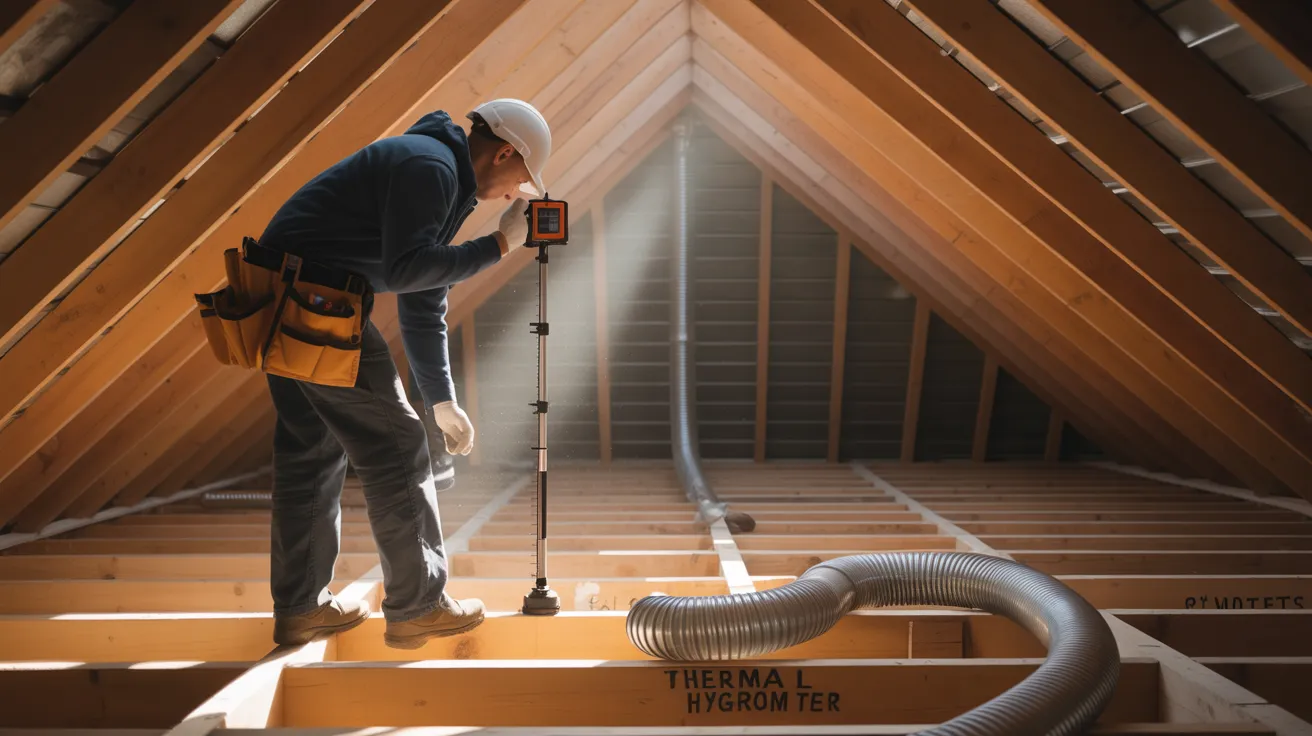
We begin by examining proper airflow to confirm sufficient ventilation flow, helping avoid excess warmth and water accumulation. We perform moisture mapping to identify moisture problems, carefully scanning roof systems and barriers for concealed issues. Drainage systems are tested for correct alignment and debris. Every discovery is photographed and highlight critical issues. We complete the inspection by discussing necessary steps and urgent concerns to ensure clear next steps.
Evaluating Repair Solutions and Material Options
You'll evaluate a targeted patch versus a partial replacement by comparing where the leak is, how the deck looks, and how long the roof will last. Then you'll match materials - shingles, tile, or metal - depending on weather resistance, structural load, wind rating, and long-term cost. I'll outline when each option makes sense to ensure structural protection, cost efficiency, and maximum lifespan.
Understanding Patches and Partial Replacements
When roof damage occurs, assess promptly whether a specific patch will suffice or if replacing a portion provides more benefits and longevity. You should examine leak location, moisture mapping, structural integrity, and age of nearby components. Emergency fixes can rapidly stabilize an active leak, protect indoor spaces, and provide time for detailed inspection and insurance claims. Select a patch when issues are limited, the roofing material is young, and fasteners and flashing are intact.
Select partial replacement when testing reveals saturated underlayment, brittle surfaces, or persistent problems along a plane. Replacing an entire slope restores seamless coverage, warranty eligibility, and lasting protection. Verify airway systems and material transitions during the installation. Document visual records, core samples, and maintenance records to support claims and secure fair coverage.
Roofing Materials: Shingles, Tile, and Metal
Upon deciding if a patch or partial replacement is appropriate, the next consideration involves materials: shingles, tile, or metal—each featuring distinct repair methods, costs, and performance characteristics. Select asphalt shingles if you want quick, cost-effective fixes; we fix lifted tabs, seal penetrations, and match granule color to blend repairs. Tile complements Mediterranean homes; we replace damaged sections, renew underlayment, and verify battens to ensure wind resistance. Metal offers superior longevity and energy efficiency; we repair damaged panels, resecure seams, and apply appropriate coatings to combat seaside deterioration.
In Ventura's coastal environment, it's crucial to select corrosion-resistant fasteners and flashing. Make sure to assess load limits, fire protection standards, and attic airflow requirements. Consider long-term operational costs, rather than only upfront costs. We're going to document all options, forecast upkeep requirements, and schedule work based on your availability and suitable weather conditions.
Understanding Permits, Codes, and HOA Requirements
Prior to choosing shingles, consider Ventura's permit requirements, California Building Code (CBC) requirements, Title 24 energy guidelines, and any HOA regulations that regulate roof components, colors, underlayments, and profiles. You'll save time by confirming permit timelines with the city and validating whether your scope requires structural, sheathing, or electrical reviews. Examine recent code modifications affecting cool-roof ratings, attic ventilation, and wildfire-resistant assemblies (WUI). Title 24 may require reflective roofing, particular insulation values, and documented compliance forms.
Get in touch with your HOA well in advance for written approval. Send in product data sheets, color specifications, and ridge/edge details to align with community guidelines. Maintain manufacturer listings, Class A fire ratings, and underlayment specs on hand. Plan required inspections, provide site access, and preserve final approvals to safeguard warranties and property value.
How Quality Roofing Contractors Determine Costs and Generate Estimates
In the interest of pricing transparency, reputable Ventura roofers build repair estimates from a clear scope: they inspect the roof through physical inspection, capture defects with photos, and break down materials, labor, permits, access, and disposal line by line. You'll see itemized material costs for shingles, underlayment, flashing, sealants, and fasteners matched to manufacturer specs. Labor rates account for crew size, complexity, safety setup, and expected hours, not vague ranges. Expert roofers specify visit fees for diagnostics, then deduct them if you proceed. They explain markup policies that encompass procurement, scheduling, insurance, and overhead, keeping percentages consistent across line items. Access challenges-steep slopes, multi-story lifts, or limited staging-are specifically calculated. You'll also receive contingencies for deck damage discoveries, modification procedures, and scheduled start date.
Warranties, Guarantees, and What They Really Cover
Although a newly installed roof ought to deliver many years of reliability, the security you actually get relies on the details of its coverage terms. You typically have two layers: a manufacturer warranty and a workmanship guarantee. The manufacturer warranty safeguards against defects in shingles, underlayment, and accessories-usually on a prorated schedule-as long as they were installed per specs and adequately ventilated. It excludes damage from storms, walking on the roof, or lack of maintenance.
Your workmanship warranty includes installation defects such as flashing details, fastening, sealing, and connection points. Always confirm the coverage period, if it transfers to new owners, and if leak repair coverage includes interior damage. Make sure to ask which team performs repairs, how quickly they respond, and the process for filing claims. Be clear about required maintenance steps and documentation needed to preserve warranty protection. When you have written documentation, you'll understand exactly who performs repairs, response timeframes, and payment obligations.
Important Warning Signals When Assessing Roofing Contractors
Before finalizing any contract, scan for warning signs that indicate potential risks: missing licensing and insurance verification, vague or incomplete bids without comprehensive details, pushy selling techniques like today-only deals, and demands for substantial cash deposits. Always verify the contractor's credentials with California's CSLB and require insurance certificates naming you as an added insured party. Stay away from quick bids that bypass site evaluation or exclude critical components like tear-off, underlayment, flashing, and ventilation. Request a comprehensive bid that specifies quantities, materials, and labor costs to eliminate surprise fees. Stay alert to contractors with out-of-state plates, no local references, or resistance to proper permitting. Verify the inclusion of formal amendment protocols, proper lien documentation, and clear communication channels before approving any work.
Steps to a Smooth Repair Timeline From Start to Finish
Begin by coordinating project parameters, timeline, and key players so every phase moves without surprises. Outline the challenges, confirm materials, and lock in site access. Set timeline milestones: assessment, budget approval, permissions, material procurement, demolition, base repairs, implementation, task verification, and closing review. Designate leaders for every phase so responsibilities are defined.
Create communication milestones. Initiate with a initial team meeting to verify expectations, followed by a pre-construction meeting to discuss safety and logistics, and provide daily updates regarding weather, crew read more status, and progress photos. Register change orders without delay, including impacts on cost and time. Arrange trades and dumpsters to minimize bottlenecks. Build weather contingencies into the calendar, and keep backup materials on hand.
Complete by providing a detailed punch list, warranty documentation transfer, and a final confirmation of jobsite cleanup and payment processing.
Maintenance Tips to Extend Your Roof's Lifespan
Establish a routine inspection plan-twice yearly and after significant weather events-to detect cracked shingles, loose flashing, or weak areas before they expand. Clean gutters and downspouts free of debris, and remove roof debris to prevent standing water, fascia rot, and premature membrane deterioration. Document each inspection and clearing so you can organize repairs and allocate funds effectively.
Maintenance Inspection Schedule
Routine roof maintenance checks help prevent minor issues from becoming expensive repairs and prolong your roof's lifespan. Set up a maintenance schedule for semi-annual assessments-one in the spring season and the second in the fall season-considering Ventura's ocean influence, UV intensity, and Santa Ana winds. In each inspection, assess shingle integrity, seal integrity, roof penetrations (vents, skylights), attachments, and ventilation systems. Evaluate underlayment condition at critical junctions, and identify ultraviolet degradation, wind damage, or soft decking. Arrange an immediate targeted inspection after major storms or other contractor work. Log details with images, maintain repair records, and monitor material warranties for comprehensive tracking. Should you observe recurring concerns, book a expert assessment to detect concealed water issues or structural shifts before they worsen.
Debris and Gutter Maintenance
Commonly disregarded, well-maintained gutters and debris-free roofs serve as a primary barrier against water damage, decay, and early shingle deterioration in Ventura's coastal climate. Coastal breezes and salt spray deposit debris throughout your roofing system, creating water buildup beneath shingles. You'll protect your roof by clearing leaves, pine needles, and seed pods every season and after storms.
Set up leaf guards to reduce clogging without stopping routine monitoring. Ensure downspouts drain correctly; install downspout extensions to guide water 4-6 feet from the foundation. Tighten loose hangers, adjust sagging runs for uniform flow, and fix leaking seams. Trim overhanging branches to reduce debris and abrasion. Rinse gutters and downspouts with a hose to confirm unobstructed flow. Note conditions, and arrange professional service for steep or complex roofs.
Popular Questions
Are Emergency Tarp-Over Services Available Following Storms or Leaks?
Yes, we deliver urgent protective covering services after storms or leaks. You'll get rapid response, thorough inspection, and sturdy temporary protection to halt active water intrusion. We install emergency patches at penetrations, valleys, and damaged shingles, then fasten edges to combat wind uplift. We catalog damage, take pictures of affected areas, and outline next steps for permanent repairs. We provide clear timelines, product choices, and financial projections, keeping your property secure until permanent solutions are finished.
Can You Coordinate With My Insurance Adjuster for Claim Documentation?
Absolutely - we'll collaborate directly with your insurance adjuster to optimize the claims process and insurance paperwork. We process everything at lightning speed. You provide authorization, give us your policy details, and we'll schedule an onsite inspection with the adjuster. We deliver photographic documentation, measurement reports, repair scopes, and itemized estimates matching copyright guidelines. We monitor authorizations, explain requirements, and maintain communication to maintain claim accuracy, timeliness, and complete documentation.
What Are the Available Payment and Financing Options for Repairs?
We offer flexible payment plans featuring competitive interest rates, flexible payment periods, and quick digital approval process. We also provide Deferred Payments, so you can start work now and settle the balance when done or throughout the promotional window. You'll get transparent estimates, no prepayment penalties, and diverse payment options (credit, ACH, checks). We'll bundle upgrades, deductibles, and repairs into a single payment plan and align payment schedules with your insurance disbursements for smooth cash flow.
How Can You Control Noise and Debris with Pets and Children in the Home?
You minimize noise and debris by implementing organized zones and timing. Consider this scenario: during a nursery re-roof, we ensure pets and children secure in a quiet room, use dust containment barriers at entries, and operate negative-air scrubbers. Our crew places materials distant from living areas, implement soft-drop protocols, and confine hammering to nap-free windows. Our team shields vents, close off returns, and sweep magnetically at regular intervals. You provide daily progress texts so families can adjust routines and maintain safety.
Can You Use Drones or Infrared Technology to Detect Difficult-to-Find Leaks?
Yes. You can schedule comprehensive drone and infrared scanning services to identify hard-to-see leaks quickly and safely. Drones deliver precise imagery over valleys, chimneys, and steep pitches without causing surface wear. Infrared scans detect hidden moisture by analyzing temperature variations beneath roofing materials and insulation. I'll provide a mapped report, annotated photos, and repair priorities, then confirm fixes with a subsequent inspection, limiting guesswork, costs, and disruption while ensuring permanent, professional fixes.
Final Overview
We've demonstrated how local expertise, comprehensive inspections, strategic material selections, and complete permits ensure Ventura roofs prepared against coastal wear. Don't wait for leaks to shout; act while they whisper. Evaluate contractors, demand written warranties, and establish a realistic timeline to avoid surprises. With proactive maintenance, your roof will save you money-it'll be a shield. Reach out to a trusted Ventura roofer today, secure a detailed plan, and lock in resilient, code-compliant repairs that safeguard your home for years.